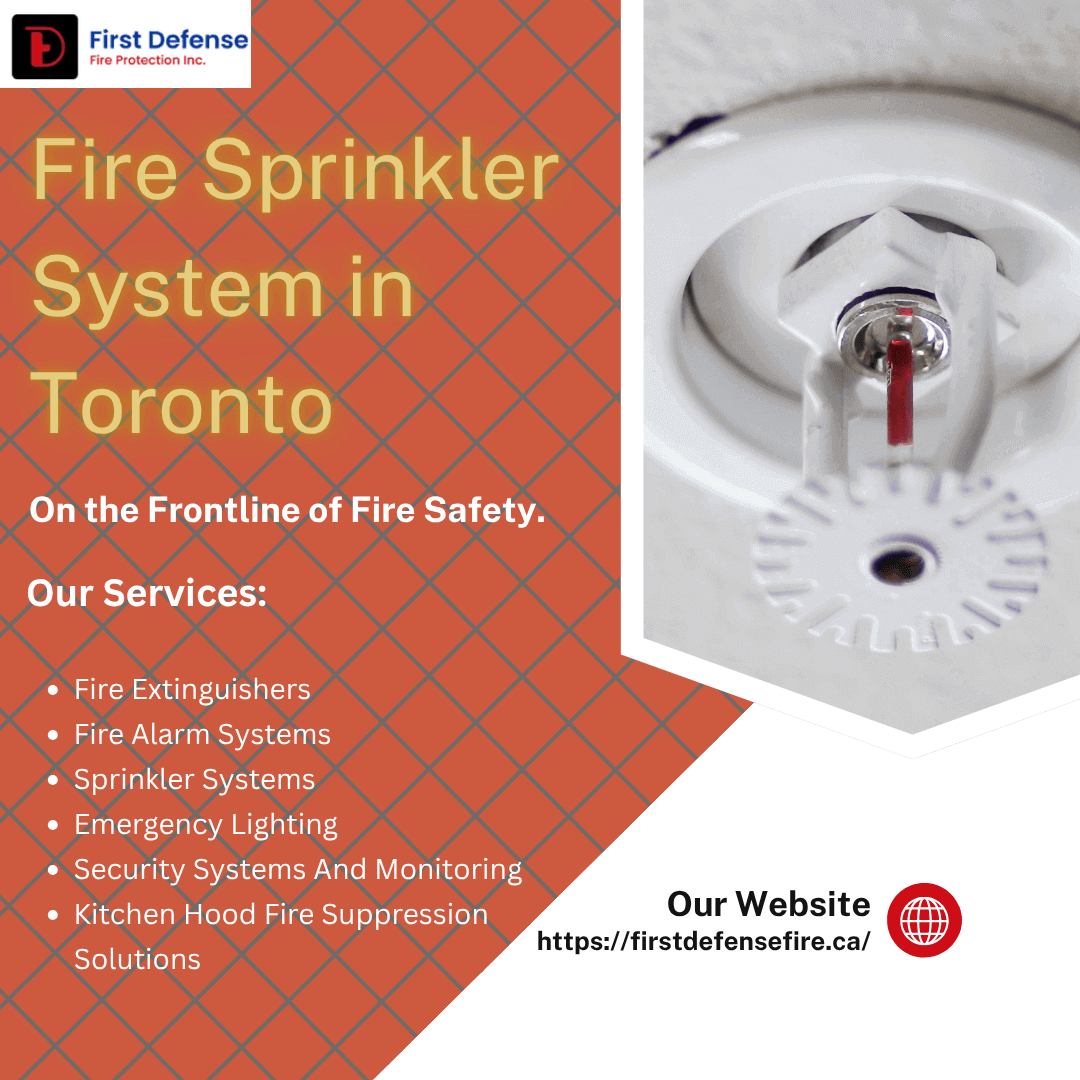
During an emergency, the safest buildings, apartments, and industries stand on the cutting-edge of automation and fire suppression technology. Investing in fire sprinkler technology is a life-safety solution that has evolved from simple to effective automated responses to heat threats. Being knowledgeable about the operation and different types of fire sprinkler configurations saves the building owner time and money and is an essential investment in the overall life safety plan of the building.
The sprinkler technology and components have been thoroughly refined over time. The integration of ahydraulic system, temperature measuring devices, telemetry, and fire responsedevices results in an effective fire suppression system. Each sprinkler headhas a heat sensing element, which is a glass bulb with a glycerin liquid, or apiece of fusible metal, that activates and opens at different temperature settings. The activation temperature differs with the intended use of the building. For example, the standard response sprinklers activate at 155 \u2013165 F, while for residential use the quicker response sprinklers are set to activate at lower temperatures.
The network of pipes delivering water to these outfalls demand thoughtful consideration in the calculation of flow rates, pressure requirements, and hydrauic demand. Alteration in elevation, losses in pipe friction, and the operation of more than one sprinkler at the same time have to be taken into account by the engineers. Water supply connects in different ways, including direct municipal connections, gravity tanks, fire pumps, and pressure tanks, each supplying different benefits determined by the configuration of the buildings and the available infrastructure in the region.
Most installations do not use electronics at all for detection and activation, avoiding issues of battery depletion and electrical failure during emergencies. Thermally activated elements that allow water to flow through that particular head when the others remain closed. The other heads remain closed. This is to ensure that water damage is minimized to the fire and is one of the common misconceptions about sprinkler heads that all of them discharge water at the same time.
System Configurations For Different Applications (And Their Unique Characteristics)
By far the cheapest and most common installation, wet pipe systems have pressurized water in remember piping systems and are able to deploy water in a matter of moments. Since it springs to action as soon as a sprinkler is opened and since it poses no risk of freezing \xa0due to climate control, this systems set up is optimal. Wet pipe systems are often the easiest systems to work with since pipe schedule is the only main component, which are readily available.
There are systems designed to work in unheated spaces, cold climate facilities, and parking structures. Dry pipe systems are designed to work in these spaces. They have pressurized air or nitrogen which holds water back behind a valve in the system. When a sprinklers opened and the air is released, the system works the same way as a wet system. There is a small delay in activation, but in systems with regions that have consistent temperatures below freezing, this system is essential.
Pre-action systems are a blendof wet and dry setups, and require two separate incidents before water discharge is triggered. This complex systems are ideal for places with sensitive, one of a kind, or difficult to replace items. Accidental discharge of water is a major issue in places like computer server rooms, historical museums, satellite and document archives, and scientific research centres. These facilities with high value assets use pre-action systems with thermaldetection and sprinkler activations.
A deluge system floods an entire area with unison opening and are activated. These systems are suited for high risk ares like chemical processing, aircraft hangars, and munitions storagefacilities. These areas require a rapid and total suppression to control fires. They usually use a deluge system with foam concentrates or special suppression agents for fire control.
The Critical Importance of Professional Installation
A major factor systemeffectiveness, reliability, and long performance life will be properinstallation. Professional contractors understand the building fire protectionindustry custom design and installation of fire protection systems. They willeasily meet industry building safety standards. These professionals tackle thesystem's total hydraulic calculation, component selection, and proper location of sprinkler heads throughout the protected area.
The type of installations done by professional fire sprinkler installation in Toronto have regulations from the Ontario Fire Code, the laws for the specific municipality, the regulations from the local authorities, and the specific building requirements of the particular downtown Toronto setting. Fire sprinkler installations in downtown Toronto are usually preceded by the Optimizing building systems of the structure and the other trades of the building in a specific order so that the order of people can work without destroying the work of other people in the building. The install contractors do these work values Fire sprinkler regulations of the Canadian National Fire Protection Association and local rules.
Water spread from theinstallation and the reliable activation of the system from the installationand the system duration are the installations durability. The sprinkler pipesare positioned to not have rotting material to be used in various types of waterquality. The spacing the piping for sprinkler heads, the fire protected regionshould have no obstructions, and the deflector should be not blocked by deflector tilting in the wrong direction.
The completed installation should be able to procedures like flow and pressure testing to calibrate and showroom the system stored by the document to the building system owner for future access to the installation system of the building.
Local Knowledge and Regional Influences
Your precise position on the globe determines the particular design and strategy that goes into fire protection systems. Differences in weather, water quality, and customary building procedures must all be taken into account when deciding the best way to configure a system. Certified Fire Sprinkler installation in Hamilton requires an in-depth understanding of the local soil, the jurisdictional water supply,and the local governmental authority.
Having regional experience is an asset to planners and contractors. These specialists know the best pipematerials to use considering the water chemistry, how to incorporate buildingtype specific freeze protection, and what installation methods are best suited to the prevailing building practices. Using this knowledge, the systems can beset up to avoid the problems that close the systems down and maintain their intended purpose.
Building codes differ between localities, with some localities imposing their own codes that are more stringent than the national minimum. Local governing authorities can be more specific about the extent of mandatory sprinkler coverage, the type of sprinkler system required by the specific use/occupancy of the building, and retrofitting of fire protection systems in existing buildings. A contractor that does working a particular jurisdiction understands the specific codes and has built up a rapport with the inspectors and authorities that grant approvals.
Maintenance Requirements and System Longevity
To maintain reliability andlongevity for fire protection systems, routine maintenance is required. NFPA25, which details the standards for the inspection, testing, and maintenance ofwater-based fire protection systems, outlines the inspection timelines. Theseguidelines range from some of the components needing to be inspected quarterlyto some internal pipes needing to be inspected every five years.
Visual inspections are done tosee if there are any issues such as damaged sprinkler heads, corroded pipes,leaky connectors, and blocked discharge patterns. These inspections are notvery time-consuming, but the issues can become problematic if left unchecked.Sprinkler heads which are affected by impacts, have been painted over, or arecorroded and not up to standard should be replaced as quickly as possible.
Functional tests are done for water supplies, alarms, and automatic systems to ensure they are working correctly. Fire pump tests are done to see if there is enough flow and pressure, valves are checked to see if they are in the proper position, and alarms are tested to see if they are working. Having these tests done is very valuable for having a professional service. Many property owners have professional service contracts drawn up to cover this.
Internal plumbing observationsuncover hidden damage that visual appraisals cannot ascertain. Corrosion, scale deposition, and microbiologically influenced corrosion can compromise piping integrity and hinder water flow. Inspections conducted at five and at ten year intervals offer the opportunity to mitigate the potential implementation of abscess corrections during actual fire emergencies.
Financial Returns Outside of Fire Safety
In fire fire protection systems offer financial benefits that go well beyond the safety of a building. Insurance carriers acknowledge the fire risk mitigation these systems provide, and in turn, offer premium discounts typically in the 10–20% range for buildings with automated sprinkler systems. Insurance discounts are eventually accumulated over the lifetime of the structure, financially justifying the cost of installation over a 10 to 15 year period.
Increased property worth comes with the installation of comprehensive fire safety systems, as potential buyers value the added safety and reduced cost of insurance. Commercial buildingsenhanced with fire sprinkler systems command higher lease rates and face lowervacant periods due to increased demand. Safety features are top priorities for tenants when selecting buildings, giving buildings with in fire protection systems a market edge.
The advantages of business continuity also apply to commercial property owners and tenants alike. A business can suffer complete loss of function and potentially close for good iffire damage occurs and there are no sprinkler systems protecting the property. Sprinkler systems limit fire damage to small areas and businesses can quicklyregain operational function and job preservation, customer retention, and business worth.
There are construction costadvantages if building codes allow for larger compartment areas, longer egresspaths, or allow for lower fire resistance ratings as provided for insprinklered buildings. These offsetting building code provisions imply that automaticfire suppression systems lower the fire life safety risk, which allows fordesign flexibility to improve overall building form and function.
Addressing Common Misconceptions and Concerns
There’s a wide gap of understanding in the form of a widely held myth that causes property owners and investors to experience unnecessary loss of installation due to fire sprinkler systems. The most notable of these is the belief that all sprinklers go off together and a fire sprinkler system floods the entire building. In truth, the system is designed so that only the sprinklers which are over the fire will activate. Most fires are controlled by one or two sprinklers which are operating.
Property owners most oftenunderestimate fire protection and overestimate water damage. Streams from firehoses flow at 250 gallons per minute, and flow hoses for very long timeperiods. Flow rates from individual sprinklers are much lower, typically 15 to25 gallons per minute, but they stop flowing when fire fighters arrive andclose the system valves, controlling the fire and terminating water flow. Thewater damage from the sprinklers is only a small fraction of the water damagecaused by the hose streams.
The fear that a sprinkler will accidentally go off is very overblown. Modern fire sprinklers are specially manufactured to only go off at very specific and high temperatures, and then only if the sprinkler head is damaged. Almost all unwanted discharges will becaused by physical damage to the sprinkler head. Preventing this damage during building construction and then doing regular visual inspections will eliminate this risk.
Manufacturers are aware of the Aesthetic concerns with sprinklers and mitigated most concerns with concealed, decorative, and recessed options suitable for all kinds of buildings. Recessed sprinkles are flush with the ceiling when not in use. Concealed sprinklers hidebehind decorative cover plates that match the interior, and escutcheons are used for decorative purposes. All of these options ensure that fire protection does not detract from the buildings design.
Integration with ComprehensiveFire Safety Systems
Modern strategies in fire protection utilize layered techniques with fire sprinkler systems working in conjunction with smoke detection, alarm notification, emergency lighting, and compartmentation features to create comprehensive life safety environments. All fire protection systems provide unique capabilities that reinforce cohesive protection.
Fire alarm systems provide early warning before conditions become untenable. Integration with sprinkler systems via flow switches and valve tamper switches enables alarms to notify both occupants and monitoring services of suppression system activation. This integration provides confirmation of system activation and rapid emergency response.
Smoke control systems limit themovement of products of combustion and ensure that evacuation routes remaintenable. In addition to sprinklers, mechanical smoke control systems furtherenhance life safety by reducing the spread of smoke, cooling smoke, andimproving visibility for occupants.
Emergency power systems ensurethat fire pumps, alarms, and emergency lighting continue operating duringutility failures. Battery backup maintains alarm functionality, while generatorsystems power fire pumps, and exit lighting remains illuminated throughoutevacuation routes. This redundancy proves critical during fires that damageelectrical infrastructure or occur during power outages.
Fire Suppression Technology Going Forward
Reliability, effectiveness, and overall capability of new fire sprinkler systems continue to improve. Lower pressures and flow rates of residential sprinkler heads make home fireprotection more affordable and accessible. These heads are designed to releaseless water, which allows their installation in buildings with small water supplies that could otherwise not sustain conventional sprinkler heads.
Maintenance repair and systemservice life are improved with corrosion-proof piping. A variety of materialsare available, each proving useful in environments with varying waterchemistry. More sophisticated environments with aggressive water chemistry alsovalue stainless steel piping and tubing, along with plastic to greatly resistthe electrochemical reactions that cause corrosion.
Smart monitoring systems notify property managers of potential issues. They monitor the entire system in realtime and wireless sensors integrated with centralized data platforms provide system status information. Devices that monitor and record pressures, valve positions, and other static or environmental variables help focus maintenancein the most timely and preventative manner possible.
Water mist systems are a newtechnology that uses small water droplets to suppress fires while using verysmall amounts of water. These systems are particularly useful for marineapplications, heritage buildings, and other water-sensitive environments thathave challenges with standard sprinklers. These systems are more expensive thantraditional sprinklers, but water mist technology provides additional fireprotection and greater versatility for more complex applications.
Conclusion
Fire sprinkler systems are one of the best life safety investments that a property owner can make because the systems can easily be integrated into the building and provide cost-saving benefits, in addition to life-safety benefits, over the life of the building. Modern fire protection technology can fit almost any use, from basic wet pipe systems to advanced pre-action systems, and provides the dependable seamless integrative characteristics that have made fire sprinklers the most utilized component in the fire safety systems of buildings.
The proper professional installation of fire protection systems is crucial, as the systems are designed to go into buildings and be used only in the case of a fire. The choice of contractor is very important in these systems because of the impact these systems can have in the built environment. The designed and installed fire sprinkler systems can provide significant fire protection on the built environment and fire protection for the people in the buildings as well as the investment.
Investment in comprehensive fireprotection enables peace of mind for property owners and users of a buildingfor shelter, business and community activities. With the growing awareness offire safety, and the building codes becoming inclusive for sprinklers, morefire protection automated systems will be installed in buildings underconstruction, thereby saving lives and alleviating the tragic losses andsuffering associated with uncontrolled fire.